Farm to Fork: Visiting Swannington
A Conversation About Craft, Collaboration and Quality
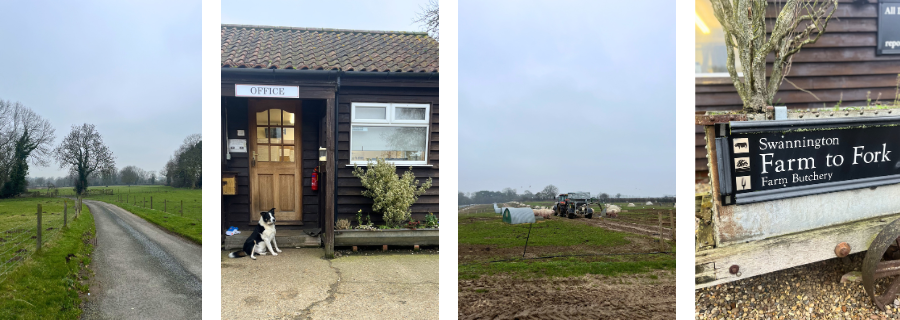
Just a little in-land from our Norfolk collection, Swannington Farm has built one of the region’s most respected farm-to-fork businesses. What began with a small herd of pigs has grown into a multi-award-winning farm supplying high-quality meat across Norfolk; including to our kitchens.
We sat down with farmer, Rob Mutimer, to talk about tradition, sustainability and what makes great meat.
Swannington Farm started with pigs. How did it grow into the business it is today?
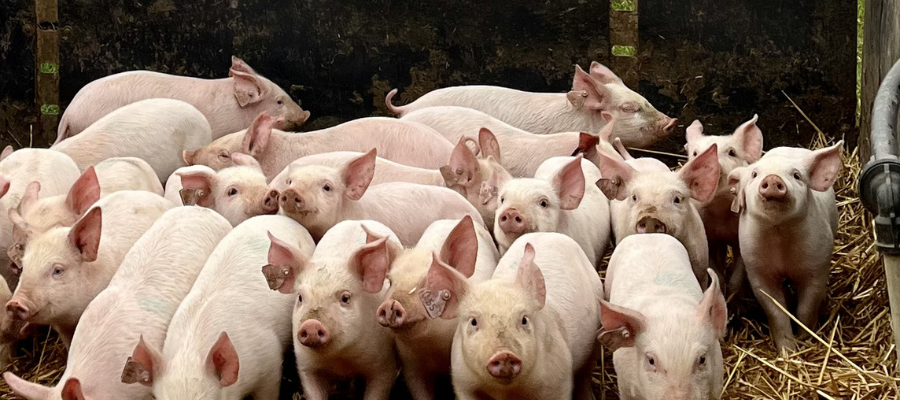
Swannington’s began with a small pig herd, which remains the cornerstone of the business today. Compared to some local butchers, it’s relatively young – about one and a half generations in – but its roots in the farm-to-fork approach run deep.
The approach really began in the late ’90s. At the time, the industry was facing uncertainty, particularly during the Foot-and-mouth crisis elsewhere in the country. Although Swannington’s wasn’t directly affected, it was a wake-up call. The business had been reliant on a single buyer, and it became clear that diversification was essential. In 2024, Swannington formalised that ethos even further, building on decades of experience to create a full farm-to-fork model.
What first inspired you to move into butchery and supply?
The shift was about control, resilience and quality. In the early 2000s, Swannington’s began supplying Waitrose and became involved in developing its pork supply chain. What started as a traditional arrangement evolved into a full supply contract – a move that significantly modernised operations.
Working alongside industry figures such as Heather Jenkins and Andrew Saunders, and in collaboration with eight other farmers, the business invested heavily in productivity and standards. Over time, productivity increased by around a third. In 2010, Swannington’s dropped antibiotics from feed, ahead of many others. By 2015, other farmers began following suit.
Collaboration has always been central, including work with Freedom Foods and Red Tractor to maintain high welfare and quality standards.
Why is working with restaurants and pubs different from retail butchery?
Wholesale butchery is about partnership. When working with restaurants and pub kitchens, it’s not just about supplying meat, it’s about supporting chefs in how they use it.
Swannington’s has chosen to focus on what it does best: pork remains the core business, while sheep farming has been scaled back to a smaller commercial flock. That clarity allows the team to concentrate on quality and consistency at scale. Working closely with chefs gives the opportunity to tailor cuts, discuss menus and think strategically about how to maximise flavour and value.

What cuts are you most proud to serve our kitchens?
All the pork served across The White Horse, The Maltings and The Gin Trap comes from Swannington’s and it’s soon to go into other pubs too. Most lamb is theirs too, and beef and additional lamb have, since 2006, come from trusted sources within a five-mile radius of the farm. It is, quite simply, 100% Norfolk.
There’s a real pride in seeing those cuts featured across menus. Whether it’s a perfectly cooked pork chop, slow-braised shoulder or a Sunday roast, the quality starts long before it reaches the kitchen.
How do you help chefs get the most from every cut?
The relationship is collaborative. Chefs are always welcome on site to see how the meat is prepared, ask questions and explore different cuts. That openness is important asnd it builds understanding and sparks ideas. Sometimes a conversation about hanging time, fat cover or lesser-known cuts can inspire a new dish entirely. When chefs understand the provenance and structure of the meat, they can use it more creatively and efficiently.
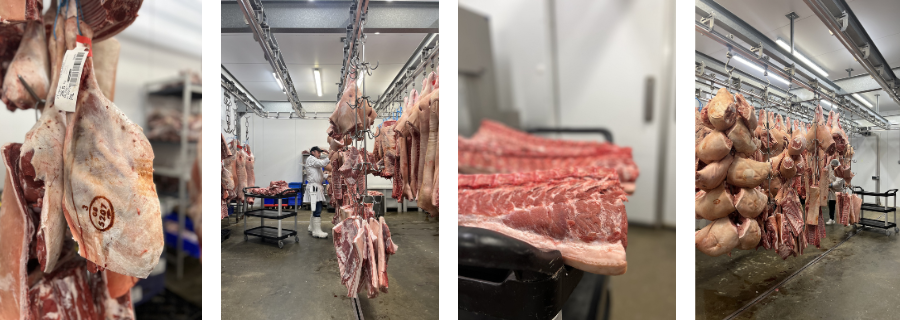
What makes British butchery special?
Tradition plays a huge part. British butchery carries regional differences in how meat is cut, hung and even named. Those traditions have been passed down through generations, and there’s a strong sense of nostalgia and pride in maintaining them.
At the same time, it’s an industry that continues to evolve. Welfare standards, sustainability practices and transparency have all improved dramatically. It’s about respecting heritage while embracing progress.
What’s one cut of meat you think is underrated?
The pork tomahawk steak stands out. It has visual impact and offers excellent flavour. It’s becoming increasingly popular and has that “wow factor” guests love. Pork tenderloin is another favourite. Lean and versatile, it’s a reliable cut that works beautifully in a range of dishes.

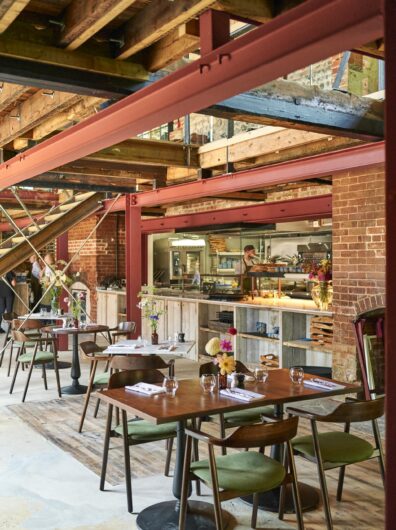
The Maltings, Weybourne
As we expand supply across more of Chestnut, what excites you about growing together?
Growth with a group like Chestnut offers consistency. Supplying multiple sites within one collection means alignment around quality and provenance.
There’s also enjoyment in seeing the end result. A recent visit to The White Horse was described as “absolutely excellent,” with standout service and food that Rob was proud to have provided to the menu. That sense of shared success is what makes the partnership meaningful.
If customers could understand one thing about quality meat, what would it be?
Quality meat isn’t just about taste; it’s about how it’s raised. For Swannington’s, quality means high welfare standards and a commitment to sustainability. It’s about producing food that is good for the animal, the environment and the consumer.
UK farming continues to strive for better environmental practices and higher welfare standards. When meat is raised responsibly, thoughtfully and locally, it creates a product that reflects care at every stage. It’s a multi-faceted approach – and one that defines true farm-to-fork.
This National Butcher’s Week (2nd – 8th March) celebrate with a visit to one of our pubs for dinner or Sunday lunch, and tuck into your favourite cut on the menu. To take a look at our collection, click here.